
On Sept. 12, 2025 the University of Nebraska-Lincoln announced plans to eliminate six departments, reduce funding for two others and restructure four more. The news shocked students across the campus. The proposal, intended to save $27.5 million, has left students and faculty across the state anxious about what the cuts could mean for their futures.
For some, like LSE senior Adam Taylor, the impact is personal. Taylor’s dream of studying meteorology at UNL since childhood is now in jeopardy as the Earth and Atmospheric Sciences department faces closure. His situation reflects a growing concern among Nebraskans. Not only will the cuts strip away academic opportunities, but they will also weaken programs vital to the state’s safety, research and innovation.
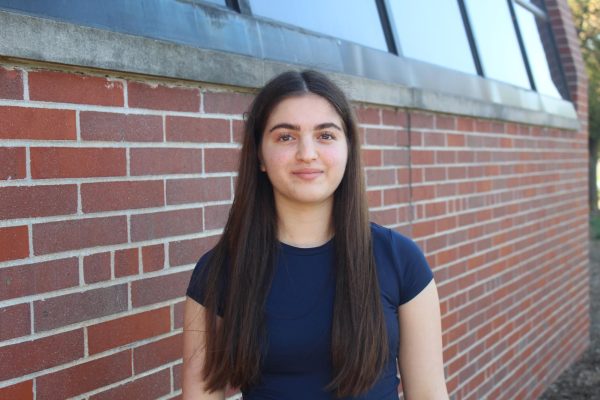
Adam Taylor (12) is an LSE student who has planned to go into meteorology since he was young and intends to pursue that through UNL. However, this is one of the programs that is supposed to be eliminated completely which, at first, took Taylor by surprise. In his opinion, it is a turn against Nebraskans’ safety.
“We’re right in the middle of tornado alley, we get severe weather every year, either that’s winter storms or tornadoes in May,” Taylor said. “Now [they’re] thinking about gutting an important program that saves lives every single year.”
Not only is the elimination of this program putting people at risk, it is depriving students of opportunity. If this major isn’t offered at UNL, students will lose accessibility to the program since it doesn’t exist at any other university in the state.
“That’s a lot of [students they’re] pushing away from the state that are actually interested in weather,” Taylor said.
He is now left with two options; pursuing his major at another university or changing his major completely.
“I’ve known what I’ve wanted to do for years now, so for me, [transferring universities] would be worth it,” Taylor said.
With no second thought, Taylor knew what was the right decision for him, and that was continuing with meteorology no matter what, even if it meant switching to a different university.
Taylor’s experience can serve as a representation of countless students across Nebraska, reflecting the tedious decision-making and emotions all while trying to understand what needs to be prioritized.
While high school students like Taylor are rethinking their futures, faculty at UNL are also grappling with what the cuts mean for research and the university’s reputation.
Saleh Taghvaeian, a UNL associate professor of Biological Systems Engineering, has already experienced budget cuts in his department before, which isn’t unusual. But UNL’s inability to stop the continuous budget cuts has disrupted the department and its goals.
“We need investment in research infrastructure to be able to keep up with the rapid pace of research and always stay at the forefront of science and technology,” Taghvaeian said. “With the budget cuts, it is difficult to maintain current infrastructure, let alone expanding and modifying it.”
Not only do the budget cuts limit the progress the department is able to make, the defunding of the other six will impact the success in Taghvaeian’s department because their work overlaps and all departments can benefit each other in certain ways.
“We work with several of these departments closely,” Taghvaeian said. “Their elimination will seriously impact our ability to conduct cutting-edge research, as we need inter-disciplinary research more than ever.”
Besides these impacts, the priority UNL puts on their quality of education is at risk of being compromised. With each budget cut or defunding plan that is introduced, there is less support for the foundation of universities and professors.
As responsibilities skyrocket, professors aren’t able to focus on research, teaching and reaching out to students.
“Budget challenges impact morale and our ability to recruit top talent,” Taghvaeian said.
When times become difficult, it steers people’s attention away from the driven students that keep the department together, who if not communicated with, may not decide to attend UNL. Talented students are fundamental to the well-being of the university; without students with passion, there is no program.
UNL students, along with high school seniors, like Taylor, want to receive the highest quality of education that UNL provides. This defunding may impede on their opportunities and in result, that undermines innovation of research and facilities on campus.
“These chronic issues have a long lasting impact on us and our ability to serve Nebraskans and maintain our impact,“ Taghvaeian said.