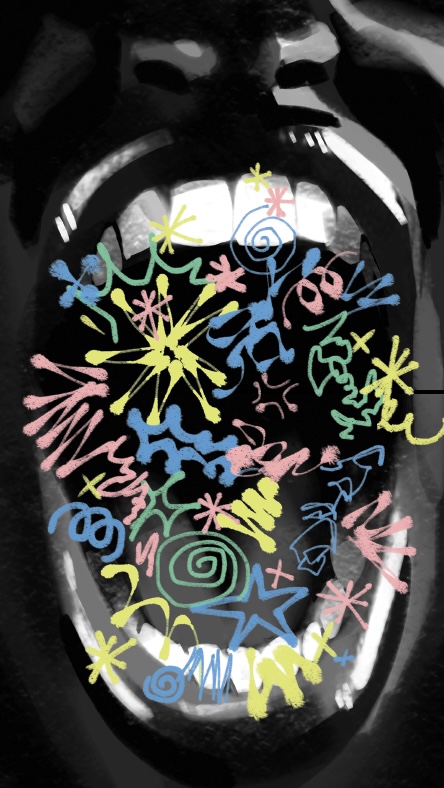
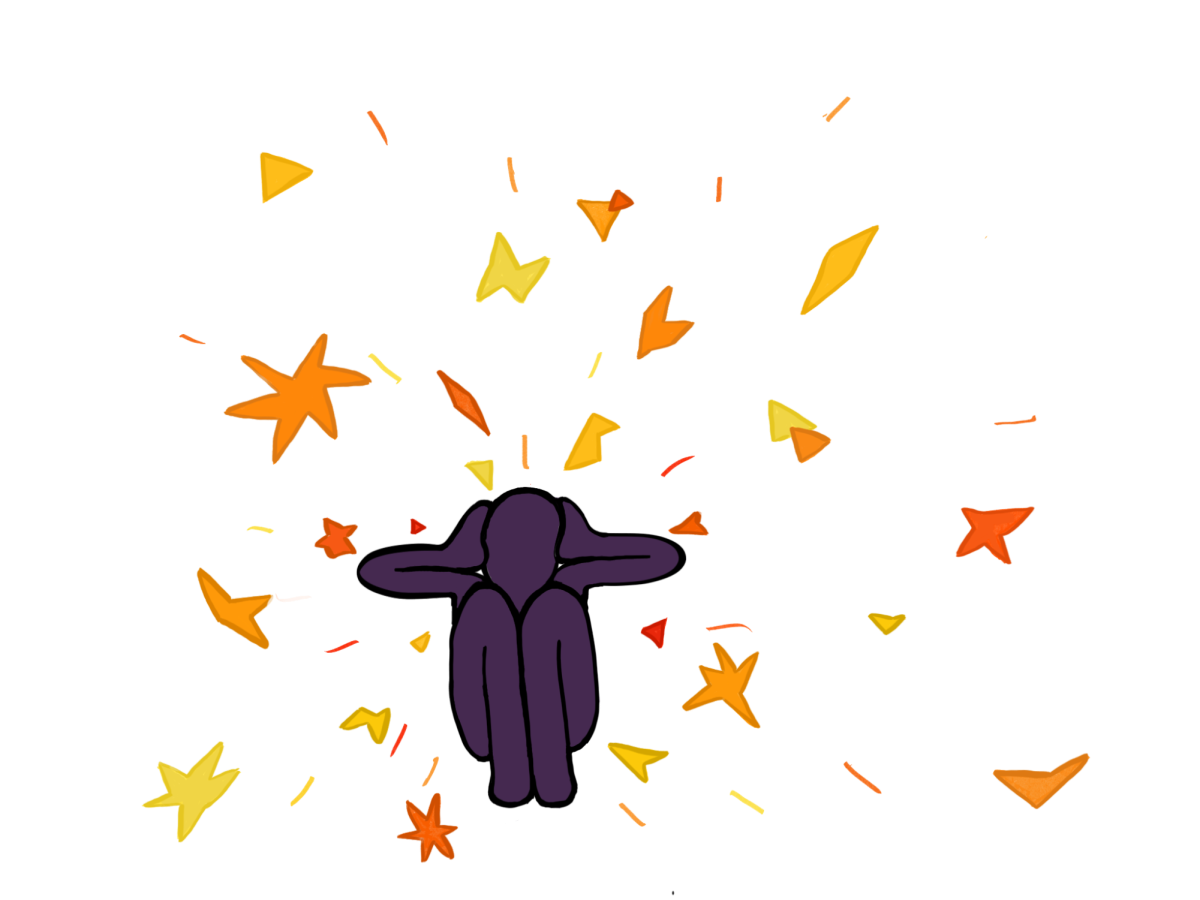
The sound of pens clicking echoes throughout the room along with the continuous pops of gum. However, even worse is the smacking of lips as others chew and chew and chew. I cannot stand the sound of these noises, but it’s more than mere annoyance. My head starts pounding as a hurricane of emotions brews, yet I can’t stop it from coming.
While most people don’t even recognize they are doing these things, it’s all I can hear. Once I notice the sound, it’s all I can focus on to the point I must wait for it to stop before I can resume whatever I was doing.
Misophonia is a brain disorder. It’s a condition where certain noises trigger intense emotional or physical reactions that can lead to social isolation and distress. It is often referred to as the “hatred of sound.” For 10% to 20% of the population and I, this disorder takes over our lives.
Common trigger noises identified in a 2013 study by Ajran Schröder and colleagues include eating sounds, breathing sounds and hand sounds such as typing or pen clicking; however, triggers vary depending on the person. Generally these triggers lead to emotions such as rage, panic and disgust surfacing then thrusting a person with misophonia into “fight-or-flight” mode.
Personally, I struggle with the sounds of pen clicking, continuous tapping, especially of acrylic nails, and chewing. All of these trigger a weird mixture of rage and panic for me and that strange emotion builds upon itself until I’m left with a raging headache.
There seems to be an easy solution to this problem; just remove myself from the situation so I don’t have to hear the noises. I wish it was that simple. When in school, it is less than ideal for me to leave the classroom because I don’t want to miss any instruction and ear plugs can only do so much. It is helpful for me to have headphones in so I can listen to music and drown the noises out, but that goes against the electronic devices policy at LSE.
Even so, there are accommodations offered at school for students with misophonia. LSE Assistance Coordinator for the Special Education department, Seth Shanahan says, “In terms of accommodations, we’ll give [students] breaks in quiet areas, preferential seating… noise canceling headphones, permission to excuse themselves if they’re feeling overwhelmed or upset and testing in a different environment.”
For students at LSE to get accommodations they typically are required to get a 504 plan which is a way of ensuring students with disabilities have equal access to learning in general education classrooms. It includes customized accommodations to remove barriers toward learning without changing the curriculum. A 504 plan requires a diagnosis by a medical professional such as a doctor; however, even without the diagnosis or 504 plan, there are steps that the LSE staff and special education department will take to accommodate any student’s needs.
“We’re going to help any kid that needs it in any way possible that we can do,” Shanahan says.
While for me, a lot of my triggers are at school, it happens outside of school as well. Sometimes I eat dinner alone just so I don’t have to hear my family’s chewing noises. Other times I’ll purposefully avoid a hang out because I know a friend of mine loves to chew gum or they want to go out and eat somewhere.
I have experienced a lot of social isolation due to misophonia, and it’s not even at the fault of others. Some people can’t control how they chew and others just don’t realize that the constant tapping of their nails on stuff isn’t a cute “ASMR” sound.
It’s hard to tell people you love that the noises they make are bothering you because unless they have misophonia, they likely don’t understand the extent of how bothersome the noises truly are. I frequently get headaches from my triggers and eventually it led to me choosing to optout of hang outs instead of enduring the pain. However, as a consequence, my relationships with others become strained.
Part of this is due to a sense of resentment that builds over time with people who are constant sources of triggering noises. If someone is a constant source of one of my trigger noises–no matter who they are to me–there’s a feeling of negativity that surrounds them. It’s not a dislike of them as a person, it’s just the association of them with the trigger.
The most difficult part about misophonia is that none of this can be prevented since there’s no cure.
Most people cope by using ear plugs or headphones, leaving the situation entirely, using fidget tools, deep breathing or engaging in cognitive-behavioral therapy. Cognitive-behavioral therapy for misophonia mostly consists of training to remove focus from trigger signals and shift it to somethingelse or learning to manage the “fight-or-flight” response and physical stress reactions to triggers.
While all of these help, none of them completely eliminate the problem. Misophonia doesn’t have a cure because there isn’t a clear cause to it.
Experts speculate that misophonia could be caused by an increased connectivity of certain regions in the brain such as the auditory cortex and the emotional processing centers. They also think that there may be a link with genetics and other neurological disorders that can cause an increased risk of misophonia. Cleveland Clinic explains that misophonia may be linked to disorders such as Attention-Deficit/Hyper-activity Disorder (ADHD), Autism Spectrum Disorder, Major Depressive Disorder, Obsessive-Compulsive Disorder (OCD), Post-Traumatic Stress Disorder (PTSD) and hearing related conditions like tinnitus.
Research into the disorder and possible cures is still continuing because we can expect this disorder to stick around. In fact, with more research, it might become officially recognized and gain a formal, standardized diagnosis. While not officially recognized, it is very prominent in the lives of those that it affects and should be taken seriously.