Five hundred thousand dollars. That’s the asking price of “Thunderstruck” by ACDC for movie use; and for good reason. Music is what makes the scene. It’s what gives the viewer chills and demands attention. The first movie containing music was created in 1926, titled “Don Juan”. It was the first of its kind to feature a synchronized score and sound effects, alongside the motion picture element. Silent movies, before the inclusion of music, lacked tempo and were often paced oddly. With rapid modernization, movie production studios now pay millions of dollars for iconic movie soundtracks, with one of the most expensive being “Almost Famous”, with a comprehensive music budget of $6.9 million. Music is an integral component of movies and shows as we know them. Cult classics wouldn’t be renowned if it wasn’t for the music that made them.
Prices of Movie Scores and the Preparation Behind Them
Scoring music for a film involves a deeply collaborative multi-stage process, where a composer creates original music to enhance the film’s emotional narrative. Typically this is started with a spotting session, which identifies the scenes that need music. The process ends with a final mix of the songs that are to be included in the movie.
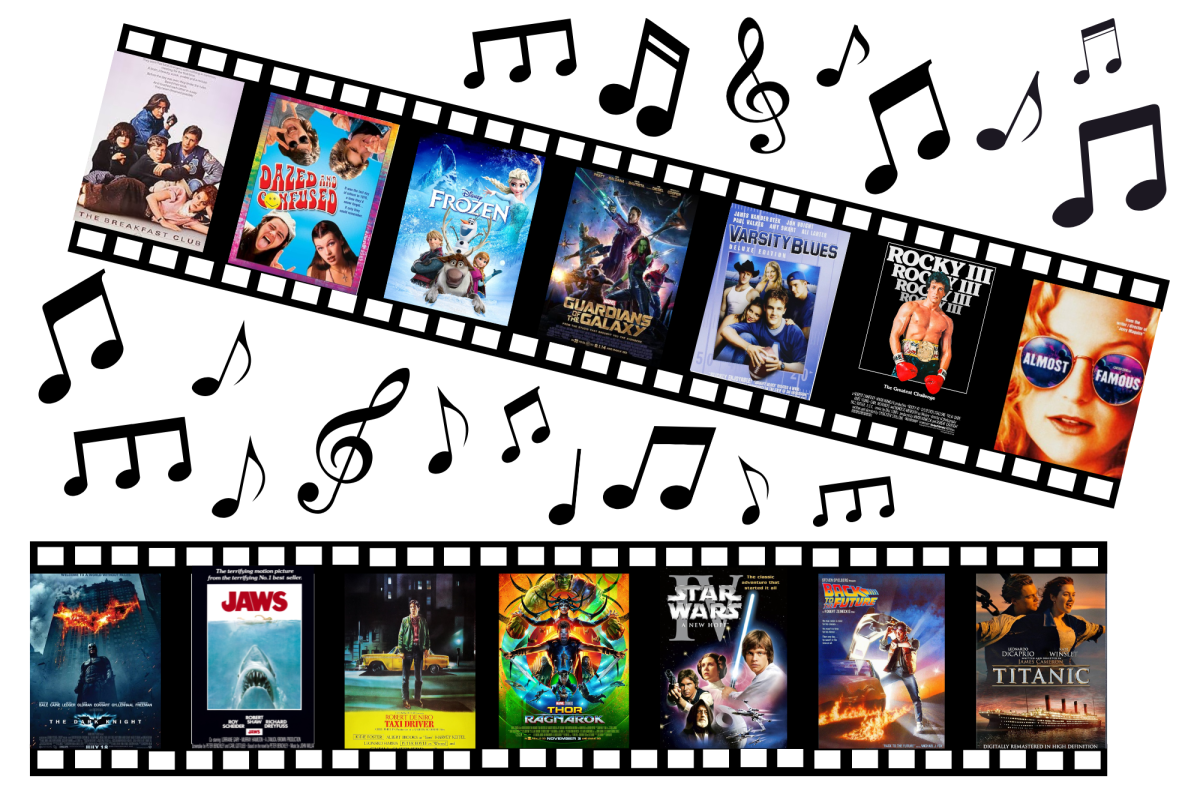
According to FilmIndependant, key steps in the process include creating thematic sketches, orchestration and recording; sometimes involving live instruments or digital technology alone. Depending on licensing and permissions, including music from well-known bands and songs that are loved by many can be difficult. Copyright issues make it hard to use popular songs, and typically the price tags are extremely high. Marvel reportedly paid roughly $4.9 million for Led Zeppelin’s “Immigrant Song” for “Thor: Ragnarok”, making it a top contender for the highest cost. “Dazed and Confused” used over one sixth of the movie’s entire budget on music alone, notoriously using tracks from Bob Dylan, Lynyrd Skynyrd and Aerosmith.
In a deleted tweet, director of the movie “Guardians of the Galaxy” James Gunn hinted at paying over 1 million dollars for a single song in the movie series, but didn’t allude to which one according to Looper. Despite the high price tags on many of these popular artists, songs and composers, directors are willing to pay the price.
Cultural Impact of Iconic Film Scores
Some of the most memorable movies are characterized by their legendary music scores. Flicks like “Rocky lll”, “Star Wars: A New Hope”, “Jaws”, and “Back to the Future”, all feature either iconic instrumentals made especially for the film (such as “Star Wars” or “Jaws”) or hits from the time period like “Eye of the Tiger” in “Rocky lll”. According to EduBirdie, “Eye of the Tiger” evokes intense motivation and determination in the viewer during the training scene it’s featured in.
“[This transforms] the viewer from a state of sympathy for a broken hero into an adrenaline-fueled sense of triumph.”
As for instrumentals, the score from “Jaws” has persisted as one of the most recognizable and memorable music scores from a movie, a relentless two-note masterpiece that evokes impending doom in the viewer. Film composers like John Williams, Hans Zimmer and Howard Shore have shaped the way modern audiences experience movies by using music to strengthen storytelling and heighten emotion. Although viewers may not consciously notice the influence of the music, they are still deeply felt and often memorized.
Another characterization of a great score for a film is the use of specific themes for characters, like in “Taxi Driver” and “The Dark Knight”. In “Taxi Driver”, the score is split into two themes to reflect his divided psyche. These are known as leitmotifs; or recurring musical themes associated with specific characters or concepts. A lonesome, romantic saxophone theme plays that represents his longing for love and connection, alongside a rough moody jazz that conveys his rage and alienation from women. Robert De Niro, starring in “Taxi Driver”, becomes extremely paranoid while trying to find love and inevitably goes insane trying to justify eliminating the things he deems evil in the world, and the music score communicates that.
Avril Ameli, a senior at Southeast, agrees that she associates certain songs with certain movies.
“Hearing songs included in the movie in the wild makes me want to watch [the movie] again. There are so many iconic songs. When I hear one [from the movie] I’m like ‘Oh, this was in Guardians of the Galaxy’!”
Scores like the one from “Guardians in the Galaxy” have been so deeply woven into pop culture because they create emotional memories that audiences carry long after watching the flick.
Role of Nostalgia in Movie Soundtracks
Movie soundtracks play a major role in creating nostalgia in the viewer. When audiences hear a familiar song or score from a film, they are often reminded of where they were in life when they watched it. A soundtrack can bring back emotions tied to childhood, family traditions or important moments, making the experience of watching a movie feel personal to the viewer even years later.
Music in film often stays with audiences longer than specific scenes or dialogue, which is often why soundtracks of movies see independent success.
Ameli attests to this phenomenon, saying that she believes one of the reasons the series “Guardians of the Galaxy” is so popular is because of the music used.
“They used music from so many different generations that can hit home for so many,” Ameli said. “The music [in the movies] is so varied and versatile, but at the same time has a similar vibe.”
Songs in the film like “Hooked on a Feeling” and “Father and Son” are deeply embedded in pop-culture memory, providing comforting nostalgic familiarity. The music chosen is explicitly linked to Peter’s (the main character’s) mother, who curated the tapes for him on Earth. This creates an emotional bond to the songs, reminding him of the loss of his family and his humanity.
Certain Songs Tied Forever to Films
Some songs have become permanently connected to films because they capture the emotion and identity of a scene so perfectly that audiences can’t hear the music without thinking of the movie. One of the strongest examples of this is “My Heart Will Go On” from ‘Titanic.’ The song became a global hit, and is now inseparable from the tragic love story between Jack and Rose. Even decades later, hearing the song can immediately remind audiences of the film’s emotional ending and the cultural phenomenon surrounding its release.
“Don’t You (Forget About Me)” from “The Breakfast Club” is a nostalgic throwback for millennials, as many would’ve watched it while they were adolescents. The song plays during the film’s final scene as the characters leave detention, symbolizing both teenage individuality and connection. Over time, the track became closely tied to the 1980s youth culture and remains one of the most recognizable songs associated with a movie ending. Its popularity demonstrates how a soundtrack can define the identity of an entire film and even a generation.
Arguably, the best example of this occurrence is how songs can become inseparable from Disney films. Disney has original soundtracks and often multiple theme songs for each movie and/or character, making Disney songs immediately reminiscent of the character or movie they belong to. “Let It Go” from “Frozen” became an international phenomenon because it reflected Elsa’s emotional transformation and desire for freedom. In 2013, little girls all over the world were obsessing over Elsa and Anna. The song’s popularity spread far beyond the film itself, influencing pop-culture, social media and everyday language. Its success is proof of how movie scores can be tied forever to a film, while strengthening a film’s emotional impact on audiences worldwide.
Although often pricey and time-consuming, acquiring the perfect score for a movie can mean endless nostalgia for future generations and double the pay back in the box office. Music scores in movies are integral to creating a memorable and iconic film. For Ameli, the emotional connection created by a film’s soundtrack is what makes it truly unforgettable:
“Music elevates the experience of watching a movie. If you like the music it makes it so much more enjoyable. Without the soundtrack, it wouldn’t be the same” Ameli said.