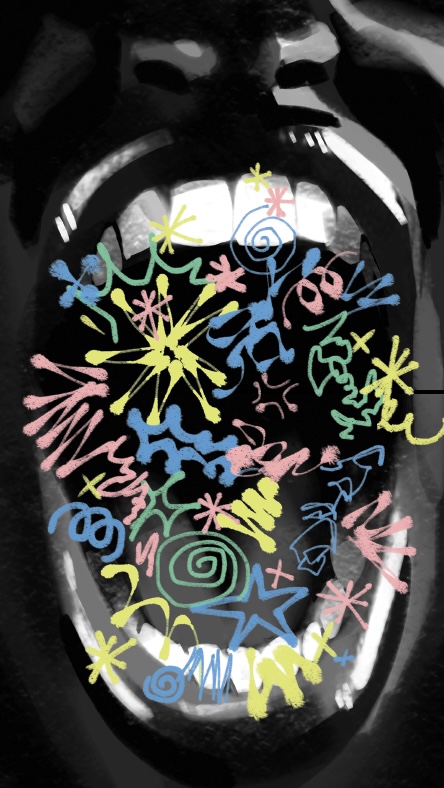
The succession in which teenagers bring about new terms to use in their everyday vernacular is rapid and never ending. Whether it’s to help navigate the endlessly divisive and confusing social dynamic we live in or to build upon our forming sense of selves, there is an undeniable draw to slang.
There is an issue, however, in how desperate Gen Z is to find unique ways to express themselves through words every few weeks. This desperation has historically led to appropriation of AAVE (African American Vernacular English) and queer culture, with so many examples it would be impossible to list them all. But there has been an emerging, shiny new group of minorities to take from: the neurodivergent.
Neurodivergence refers to the divergence in mental or neurological function from what is considered typical or normal. Some disorders which would fall under this umbrella are Autism Spectrum Disorder, ADHD, Dyslexia, Tourette’s Syndrome, etc.
Neurotypical refers to individuals whose development and neurological function aligns with societal norms and standards. This basically includes anyone who is not diagnosed with any disorders and applies to the majority of the population.
Currently if you open any social media app at all you are bound to come across several neurotypical users throwing out medical terms meant for Autism. Some popular ones at the moment are hyperfixation, overstimulation, vocal stim, stimming, bed rot, non verbal and intrusive thoughts. All of these terms have a specific use in communicating and identifying symptoms of the neurodivergent experience, and yet they are becoming increasingly meaningless as the younger generations take them over.
When everyone throws around words such as “overstimulation” and “hyperfixation” it becomes very difficult for Autistic individuals to convey how taxing and debilitating the conditions they are forced to live with truly are.
I, as a person on the spectrum, know first hand how it feels to see peers who get to live their lives to the fullest use words which have singlehandedly prevented me from doing the same. It’s hard to hear symptoms of your disability become a quirky punchline or relatable slogan to be plastered on stickers and tshirts.
The term “Hyperfixation” has been a crowd favorite for a while now, being one of the first to appear in the zeitgeist. On social media, the word has become synonymous with “obsession” or “interest”. Neurotypical individuals use it to describe how they feel about certain shows, books, activities, trends and even food. This has become such popular and common lingo that even advertisers on Tiktok Shop have been using it to sell products, saying things like “This low fat, easy meal plan is my new hyperfixation.” In actuality, hyperfixation can be a major struggle to Autistic individuals that gets in the way of goals, aspirations and everyday life.
A hyperfixation is an all-consuming, narrow focus on something. Being hyperfixated on something can mean tuning out the world or basic needs and expectations. Oftentimes if a hyperfixation is severe enough it can lead to individuals losing awareness of time, losing sleep, forgetting or choosing not to eat, neglecting personal hygiene or responsibilities and being constantly distracted by your hyperfixation.
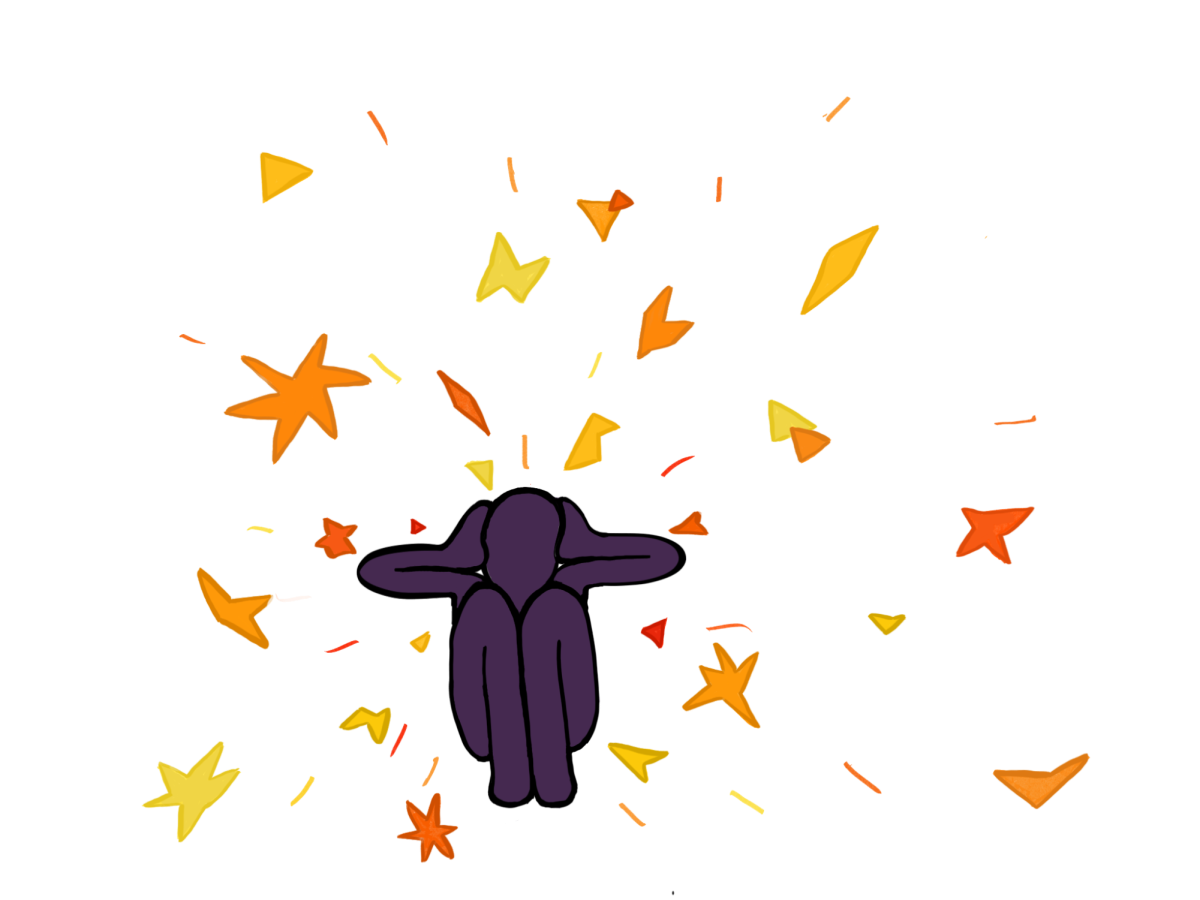
Another extremely popular term has been “Overstimulation”. While neurotypical people technically can experience overstimulation, it is very rare, while Autistic people have the ability to experience it often. Overstimulation refers to the brain being bombarded with sensory input and presents itself in distress and sometimes physical discomfort. Being prone to overstimulation makes going out in public, and more importantly attending school and work, very stressful.
Because of how the general public now uses the term, most assume that it is interchangeable with the concept of being overwhelmed, or even worse, plain annoyance. The way people continue to collectively shift the meaning of overstimulation from an expression of grueling sensory overload to annoyance is invalidating and borderline offensive.
Additionally, there have also been several definitive trends on TikTok centering around the concept of “Vocal Stims”. You may have come across videos of teenagers huddling around their parents as they force them to read off miscellaneous brainrot and quotes, but referring to them as vocal stims. Any new phrase that a teen adopts into their vocabulary is suddenly identified as stimming, which is far from the truth.
Stimming, when applied to Autism, represents sensory-seeking or self-soothing behaviors done by an individual. Stims are often repetitive and uncontrollable. For many neurodivergent people it can be a way of regulating and communicating in the face of strong feelings or emotions. While some stimming has been normalized, such as clicking a pen or tapping your foot, vocal stims in particular are harshly judged by the general public.
Quoting phrases or sayings from your favorite shows and memes is socially acceptable but vocal stimming is not. There can sometimes be a muddy distinction between the two on the outside, but it’s much harder and more uncomfortable to suppress stimming.
The most recent trend has been “going non-verbal”. Being nonverbal isn’t something someone can switch on and off, it’s the lifelong reality of 25%-30% of people on the spectrum who can’t vocally communicate. Nonverbal individuals are forced to face the challenges of not having a voice.
Parents all over the world have to come to terms with the fact that they will never hear their child with Autism say “I love you”. Parents of Autistic children experience the looming dread of knowing if something horrific were to happen to their nonverbal child there’s a possibility they would never know because the child can’t communicate.
There is such a thing as simply not speaking. Absolutely nothing warrants the relation of being quiet to the struggle of not being able to speak. It’s extremely annoying to see people adopt vocabulary that they really don’t need at the expense of the Autism community.
People on the Autism spectrum are born into a world that is not built for them. They have to navigate a society that judges and belittles them just because those are the cards they were dealt. Sadly, this obsession with Autism isn’t the first time everyday struggles have been morphed into new slang.
There has been a past of mental illness and neurodivergence being used as everyday language. Most can probably recall the 2010s when Millennials would do the same exact thing as us, misusing words such as “ADHD”, “OCD” and “schizo”, as well as slurs like “retard”.
We have glaring examples of past offensive language to look to. Former generations have done the work to phase out certain words and misconceptions regarding mental differences after learning how they are harmful. Yet so many teens and young adults, even after being told by Autistic individuals like me that they’re wrong, ignorantly believe that “it’s not that serious”.
Yes, there are much bigger and scarier problems going on in the world. I have questioned why all this misused language bothers me so much when there are legitimate threats presenting themselves all throughout the United States. But that’s just the problem: Autistic people, just like everybody else in the world, are already stressed about everything going on. On top of how upsetting life feels right now we are losing our ways of communicating and coping all for the sake of some trend.
Being Autistic isn’t just a trend to me. When everyone else moves on to the next big thing to appropriate I, even as someone with low support needs, will still have to live a life of disadvantages and frustration. I will continue to fall behind and get dragged down by my disability. I don’t get to forget about hyperfixation and overstimulation when it’s no longer stylish to flaunt.