
Throughout the night, hundreds of skeletons with clothes of vibrant colors dance through the streets towards the cemetery. And every year, a family carefully lays out marigold petals, lights candles, and places candy on an ofrenda in their home.
This tradition is part of Día de Los Muertos, or Day of the Dead, a Mexican holiday that honors loved ones who have passed away through music, colorful altars, and celebration rather than grief.
Día de Los Muertos is officially celebrated during the evening of Nov. 1 and into the day of Nov. 2 but a lot of people start celebrating a day or two early.
In Mexico City, there’s a massive parade of people who paint skeletons on their faces and wear bright costumes. There’s usually mariachi music in the background as the attendees dance amongst big floats and puppets. Mariachi is a traditional Mexican style that has a vibrant sound created by trumpets, violins and different types of guitars.
During the celebrations it is common for families to put up ofrendas, which are altars that usually contain pictures of the person, their favorite foods or items and candles. These ofrendas are meant to honor and welcome the deceased spirits back into the land of the living for just 24 short hours.
One of the most common things to put on an ofrenda is a sugar skull. Sugar skulls are decorative skulls made of sugar with vibrant colors painted onto them. They are meant to symbolize the sweetness of life and making the most out of the time we have.
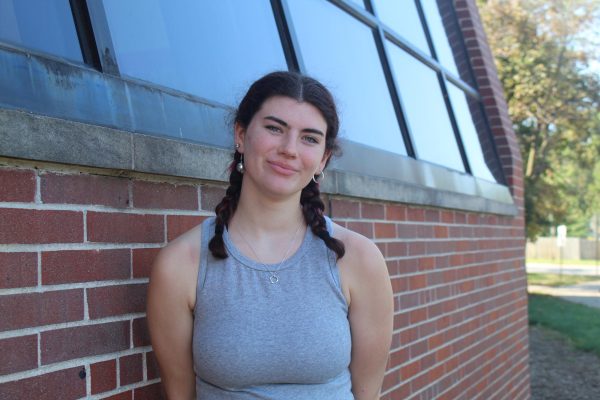
A junior at Southeast, Claire Villegas, celebrates with her family each year to honor and remember her father. Villegas’ mother puts a bunch of marigold petals, sugar skulls and candles around the house which is a common practice around the globe.
But, Villegas and her family personalize the ofrenda by adding on her father’s favorite candy, Bimbos.
“Its just a very emotional experience since there is a lot of the family element,” she says.
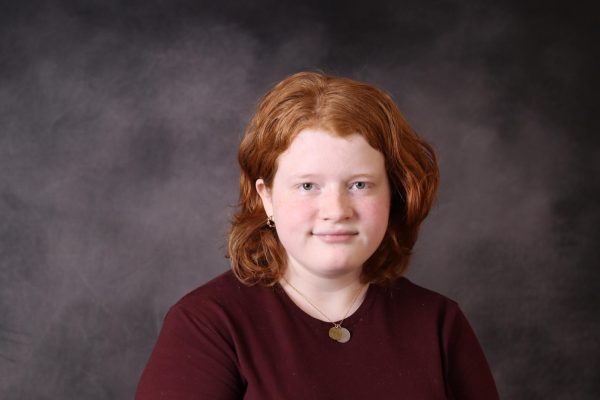
However, Villegas isn’t the only person at Southeast who celebrates Día de Los Muertos. Juan Sanchez, a Spanish teacher at LSE, celebrates at home and plans to celebrate with his level four and advanced placement (AP) Spanish students as well.
It hasn’t been determined if the Spanish classes will build their own ofrendas like previous years, but Sanchez plans on watching “The Book of Life”, a popular movie that covers Día de Los Muertos.
Other LSE Spanish classes will be covering the holiday because it’s important to learn the traditions of other cultures as they influence us all.
Día de Los Muertos is similar to other celebrations around the globe meant to honor the dead. These celebrations include China’s Hungry Ghost Festival, India’s Shraddha rituals and Japan’s Obon Festival.
These all hold significance for the basic principle of honoring life from death. This alone strengthens community, provides structure for grief and preserves both cultural and family heritage.