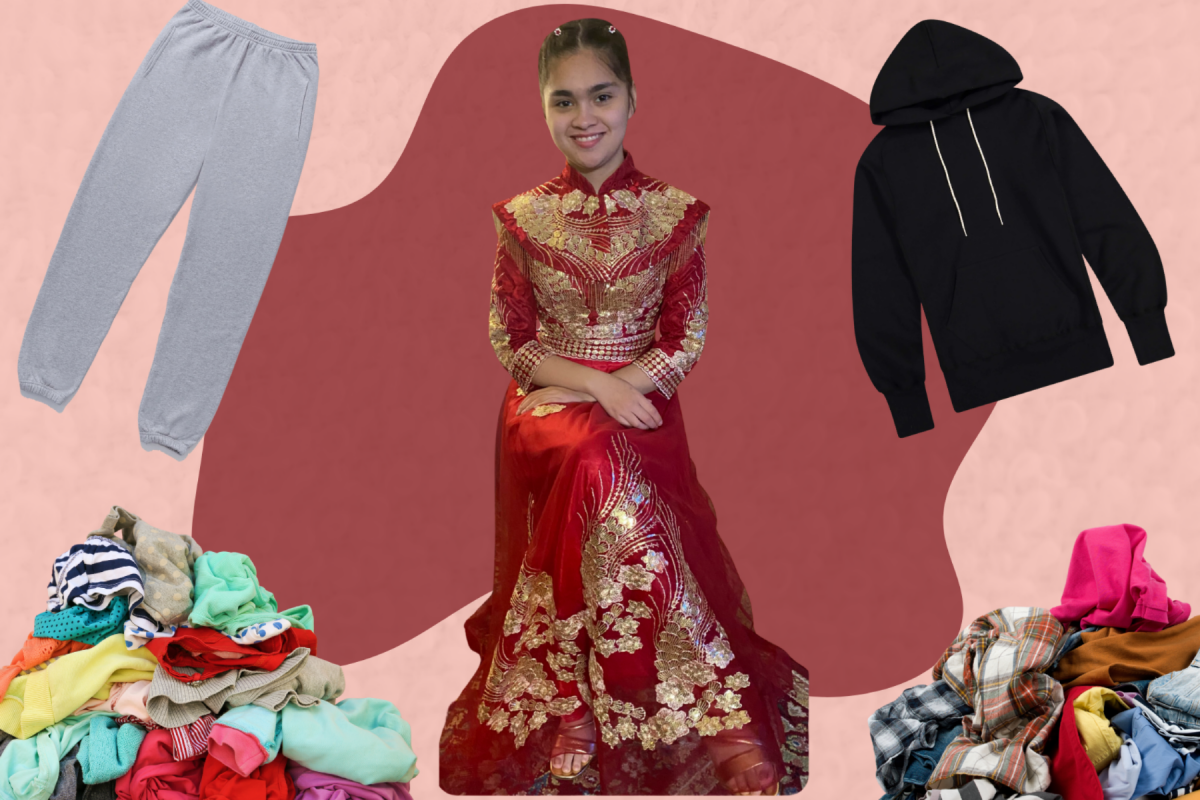
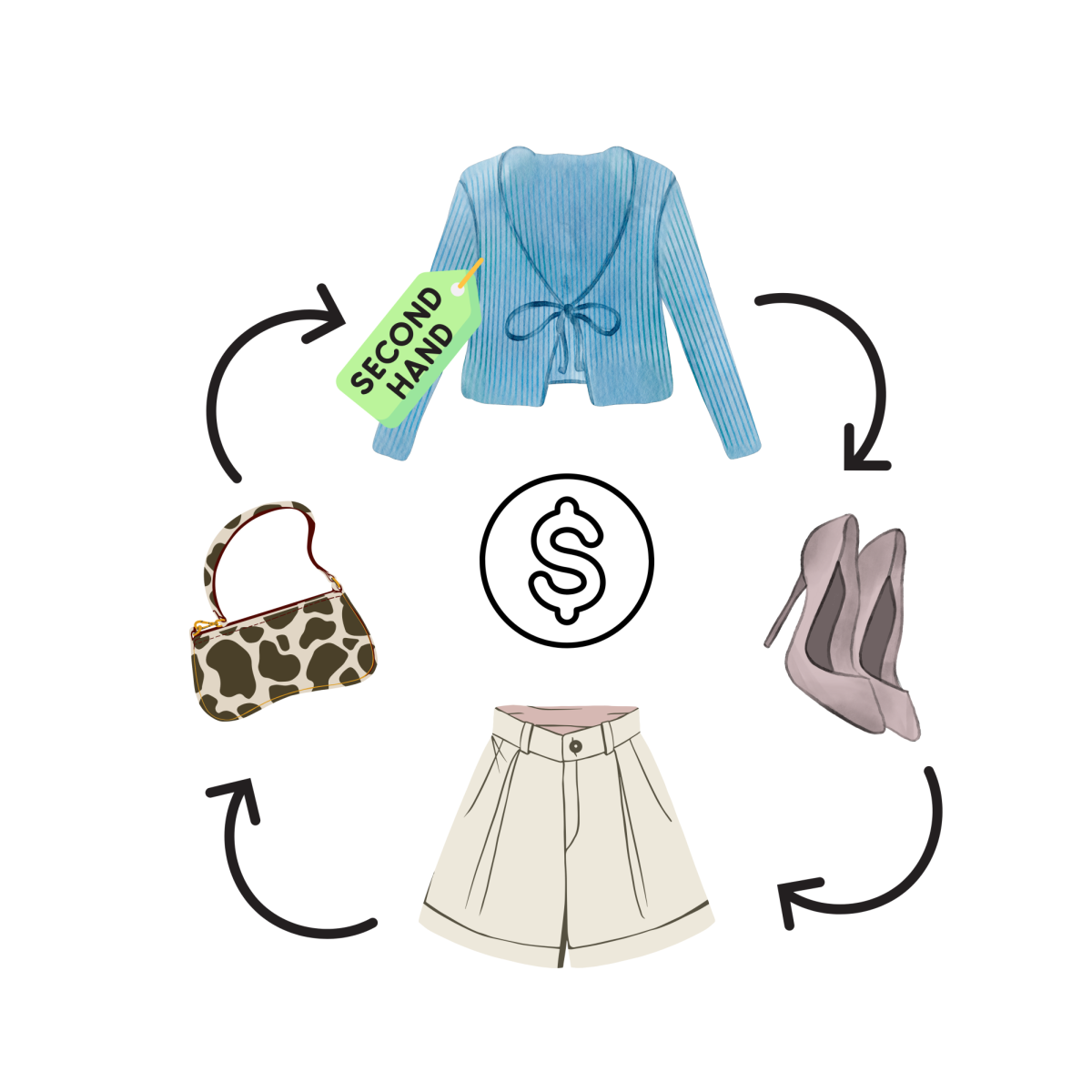
Scroll. Click. Click. Ooo. Denim. Corduroy. Vintage t-shirts. Is that an authentic leather jacket? After pressing a few buttons, these items will soon be delivered to your doorstep. This process may seem too good to be true, however it’s merely the reselling of goods that have been purchased from thrift stores.
For many high schoolers, the flipping of thrifted items can result in a large profit, and young consumers can also discover unique clothes and accessories on easily accessible platforms. However, reselling can have negative impacts as well, such as excessive up-charging and the purchasing of low-quality items.
The 2020s seem to be the decade of thrifting, but as more Gen Zers begin to flip secondhand goods for large profits, the question arises: At what point does ethical shopping turn into exploitation?
While the concept of second-hand shopping emerged as early as the 1900s, it has only become mainstream within the past twenty years. Many students may be familiar with popular chain thrift stores such as Goodwill or Plato’s Closet. Online thrifting has also gained traction because of its convenience; several online stores include Poshmark and Depop. These businesses function by accepting donations (some of them reimbursing their contributors close to 30% of what they deem a product’s value to be), which they then sell for reasonable prices.
There are many benefits to thrifting, including environmental sustainability and the possibility of finding high quality or name brand products that are significantly marked down. Additionally, thrift shopping is especially appealing to a younger demographic, for it provides affordable and unique vintage items, which is a style that’s rapidly rising in popularity.
LSE junior Anna Friendt loves to thrift. She believes that it allows individuals to take apparel from a past generation or fashion era and bring it back into style. It also provides a simultaneously reliable and affordable option for those who need it.
“I feel like it gives clothes a new way, like a new purpose. Instead of just throwing them away, you can repurpose them,” Friendt said. “It also gives cheaper clothes to families in need. So if you’re a lower income family, you can thrift to find clothes. And it’s also, like, there’s a lot of cute stuff from older generations that you [can discover].”
In addition to thrifting’s ethical benefits, secondhand shopping can also be an enjoyable activity to participate in with friends and family.
“It’s just fun to do with your friends, because you’re always just like messing around with them. Cracking jokes about, like, ‘Hey, you should wear that.’ And it’s like some old granny clothes. I feel like that’s pretty fun as well,” Friendt said.
However, as thrifting has risen in popularity, a new trend has emerged, one that’s more about profit than preservation: Reselling thrifted items.
Individuals who resell often seek out trendy and well-priced clothing and accessories from thrift stores in moderate quantities, and then sell each item for several times the price that they purchased it for. Many of these reselling businesses can be found online, primarily through Instagram, TikTok and Etsy.
There are several stances on reselling; some are opposed to this practice, and find it unethical, because of the often times exorbitant prices and the overconsumption of thrifted goods on behalf of the reseller (who may be taking away from those in need). However, others believe it’s solely an efficient way to make a quick profit, and argue that it can benefit both the buyer and the seller.
LSE freshman Jayden Schwab, who is a regular thrifter and greatly enjoys discovering unique clothing from vintage brands, acknowledges that there are valid arguments to either side of reselling.
“I’d say with online, there’s more options, but you don’t fully know what you’re getting,” he said.
Schwab also believes that reselling can lead to extreme overcharging.
“I think even for stuff that wasn’t worth a lot back then they’ll just [call it] vintage and upcharge it [by] $200.”
Both Schwab and Friendt have determined that while thrifting and reselling pose both advantages and disadvantages, it’s important to be always mindful of one’s secondhand and third-hand purchases, to use trustworthy sites and be aware of the potential risks of purchasing from a reseller.
“I [don’t think] it’s inherently wrong to resell items,” Friendt said. “But if you’re purely just buying in bulk, like, just the cutest stuff from thrift stores, that’s just rude, because I feel like there’s so many people that can’t afford stuff, and you’re just leaving them with all the leftovers [that] are not very fashionable. Everyone should [have the right to] be fashionable.”