
When Lincoln Southeast senior Nate Appleget announced his commitment to play Division I football at North Dakota, the likes and congratulations flooded in. Most people saw the post, double-tapped, and kept scrolling. What they didn’t see were the late-night emails, coach calls, and years of guidance that helped make that moment possible.
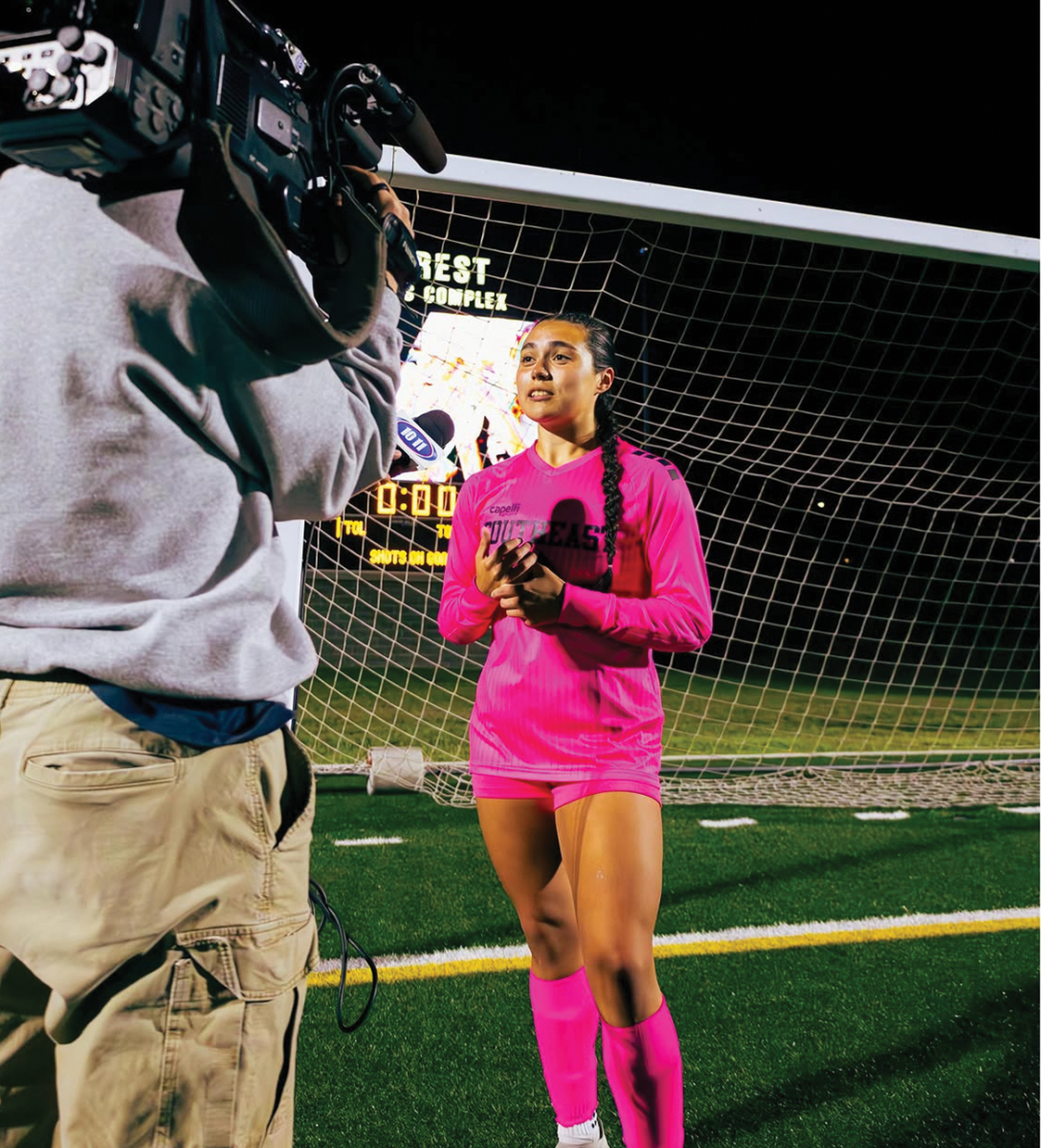
Behind every college commitment is a network of support—coaches, parents, and mentors working quietly to open doors for student-athletes. At Lincoln Southeast High School, where athletic success runs deep, that support system has become part of the school’s DNA. From football players like Appleget to soccer standouts like Avery Baum (11), these athletes’ journeys reveal just how much goes into earning that dream offer.
Appleget’s skill on the football field has earned him offers from schools such as Air Force, Navy, Lindenwood and North Dakota; however, there have been resources beyond Appleget’s football skills that have led him to this commitment.
Ryan Gottula is one of these resources that have helped Appleget and his journey to play high-level football.
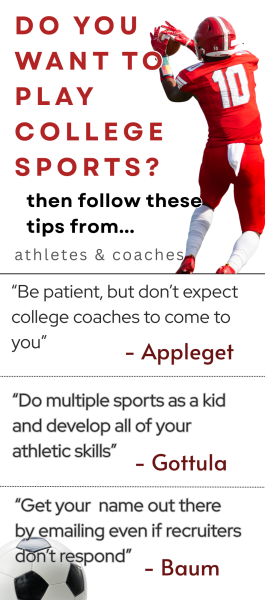
“[College coaches] talk to [Gottula] first, before they talk to me,” Appleget said. “He gets in contact with [coaches] and puts me in a position to get creative.”
Gottula has been the head coach of Southeast Football since 2011, and has taken it as a part of his job to help his players with recruiting.
“If [athletes] want to go on to play at the next level, we’re going to do everything we can to help them,” Gottula said on behalf of the LSE’s coaching staff.
Gottula’s eagerness to advise his players has helped athletes like Appleget to have a mentor during the complex recruiting process.
Another opportunity that Gottula believes to be extremely important for high school athletes is the Lincoln Football Junior Day. At this event, Lincoln high schools host college coaches at Firethorn Golf Club, allowing recruiters to collect information about junior athletes going into the senior year.
Hosted by the Lincoln Football Coaches Association, Lincoln high school coaches are giving their players chances to be recruited by colleges from all over.
Unlike Appleget, Baum hasn’t yet committed to a college program, though her own prospecting journey is already underway. The recruiting process happens across the spectrum of sports. For Baum, the collegiate soccer recruiting experience has been very different from what many might perceive as normal.
In Baum’s experience, recruiters don’t care about her performance on LSE’s team, but rather they focus on club teams, which connect the best players all around the country.
Because club soccer is more competitive, college recruiters generally seek out players through their club teams and their club coaches.
Consequently, Baum relies on her club coach to help with recruiting. Although her club coach isn’t a professional recruitment advisor, he still offers help when Baum asks for it, even guiding her through the recruiting process.
“He told me specific things I should be putting in [emails],” Baum said. “How I should be sending my emails, when I should send them, the format of the email and what I should put in the emails.”
Although the platforms from which different sports get recruited from (high school vs. club) differ, there are similarities between recruiting across all sports.
This is apparent when comparing Appleget’s and Baum’s recruiting processes. For example, an advantage both of these athletes have is their families’ own experience in college recruiting.
“I’ve had four older brothers go on to play college football,” Appleget said. “I have a lot of help from my dad and my brothers, just because they’ve all been through the process… they knew the ropes, and put me in the best position to get recruited.”
Baum shares a similar circumstance, with collegiate athletes in the family.
“[My dad] ran track in college. Now he coaches,” said Baum. “He’s gone through schools for me and found information about them.”
With this experience, both Appleget and Baum have insider advice from people who have already been recruited.
The last similarity between Appleget and Baum was the amount of emails linked with film sent to college coaches.
After attending a camp sponsored by North Dakota, the school gave Appleget an offer. Ironically, he doesn’t remember sending emails to North Dakota.
“I send [emails] to so many coaches. I mean, you lose track of all the coaches you send it to,” Appleget said.
Baum completely agrees with the importance of emailing schools, especially emailing them early into the recruiting process.
“I’ve gone to camps and I’ve talked to coaches there, but it’s mainly just emails right now,” Baum said. “If they see your name more, they’ll start remembering you.”
In Appleget and Baum’s experience the demanding process of balancing athletics and recruiting proves difficult; however, the perseverance of some student-athletes proves rewarding, securing their spot on a Division I team’s roster.