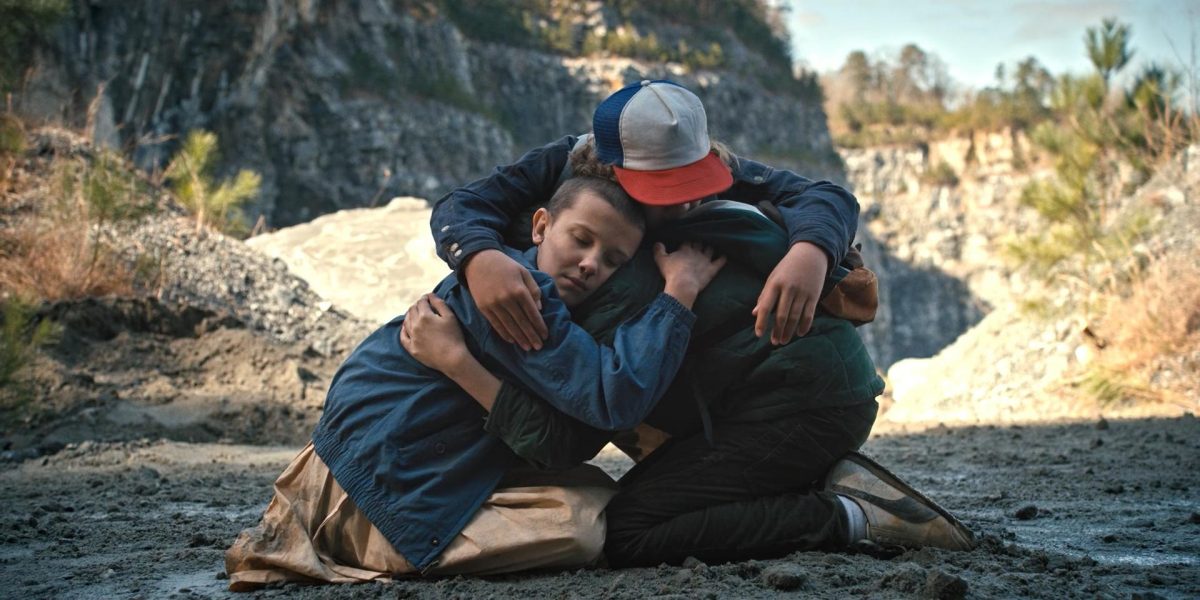
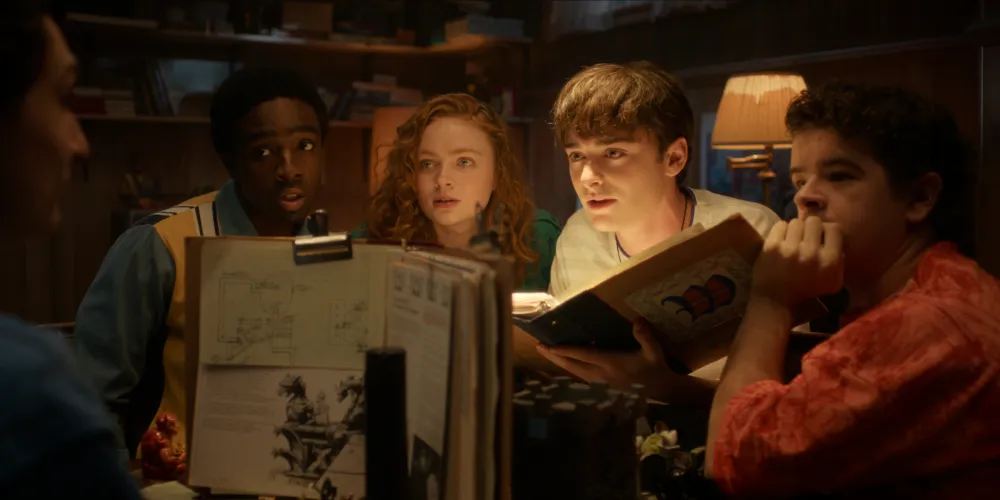
The final Season of “Stranger Things” aired late 2025 to mixed feelings from fans. Although the Season has good ratings there is an unmistakable bitterness among viewers about how the Duffer brothers (creators, writers, and producers of “Stranger Things”) concluded their show. These feelings even resulted in an internet-wide conspiracy theory called “Conformity Gate” based on why Netflix would never screw things up so badly and that there must be an epic, secret final episode with the real ending.
In actuality, “Conformity Gate” is simply die hard fans’ way of coping with how objectively bad the ending truly is. But “Stranger Things” having flaws is not a new thing; in fact, it’s been struggling to deliver since Season 3. So why and where along the way did this iconic series turn into a pale imitation of great television?
Acting and Dialogue
Among a plethora of glaring issues, the most initially obvious upon watching “Stranger Things” Season 5 is unnatural dialogue and acting. Rather than having characters speak to each other the way real life people facing serious danger would, The Duffers have favored a new form of communication: endless exposition with a side of useless banter.
The dialogue is seriously bad. Every time a character opens their mouth they’re either reading off a plot summary or making a smart-mouthed quip. Writers have characters blurting out suggestive jokes during life or death situations. It doesn’t help that the acting has taken a notable decline in quality as the child actors have gotten older.
Finn Wolfhard who portrays Mike Wheeler gave a particularly weak and oftentimes laughable performance this Season, with many users across TikTok and X (formerly known as Twitter) discussing his worst deliveries. This performance stings given how crucial Mike is to the plot and heart of “Stranger Thing.” In fact, there are plenty of actors giving their all to characters who have been wrongly sidelined by the writers. Charlie Heaton (Jonathan Byers), Natalia Dyer (Nancy Wheeler), and Winona Ryder (Joyce Byers) are all more than capable of carrying the emotional weight that “Stranger Things” requires – Seasons 1 and 2 are more than enough proof of this – yet their characters have been forgotten completely. It’s as if the Duffer brothers have forgotten who and what the core of the show was to begin with.
Story Writing
Remember the time when “Stranger Things” was about a small cast of lovable characters? Instead of nourishing those character’s stories and keeping the focus narrowed in on them, “Stranger Things” has grown a reputation for adding more and more actors to an already expansive cast for no reason at all. Maybe it’s because Netflix wants more merchandise opportunities, with Funko Pops (ugly figure collectables) being an unfortunate staple of the show’s brand. However, it could also be the fact that the Duffers are too scared to kill off any of the original cast even if it’s the best thing for the story.
If you just introduce new characters all the time then you can take them out of the equation easily while keeping up the appearance that the story is “brutal” or “unforgiving.” Bob, Alexi, Chrissy, and Eddie have all fallen victim to this writing quirk.
Having such a bloated cast leads to an entire host of issues, which are made even worse by the fact that the story itself has become way bigger than it should have been. Many unnecessary plot lines and details have been added in a desperate attempt to explain supernatural logic. Frankly, it’s suffocating and directly caused “Conformity Gate.”
This approach to writing has slowly been integrated into the show since Season 2, so audiences might not notice the extreme tonal shift between the beginning and end of the “Stranger Things” saga, but when you detect this, it’s palpable. When the whole show consists of nothing but fan service and overly complicated, abstract concepts, there is absolutely no room for a real story that humans can connect to.
Visuals and Aesthetic
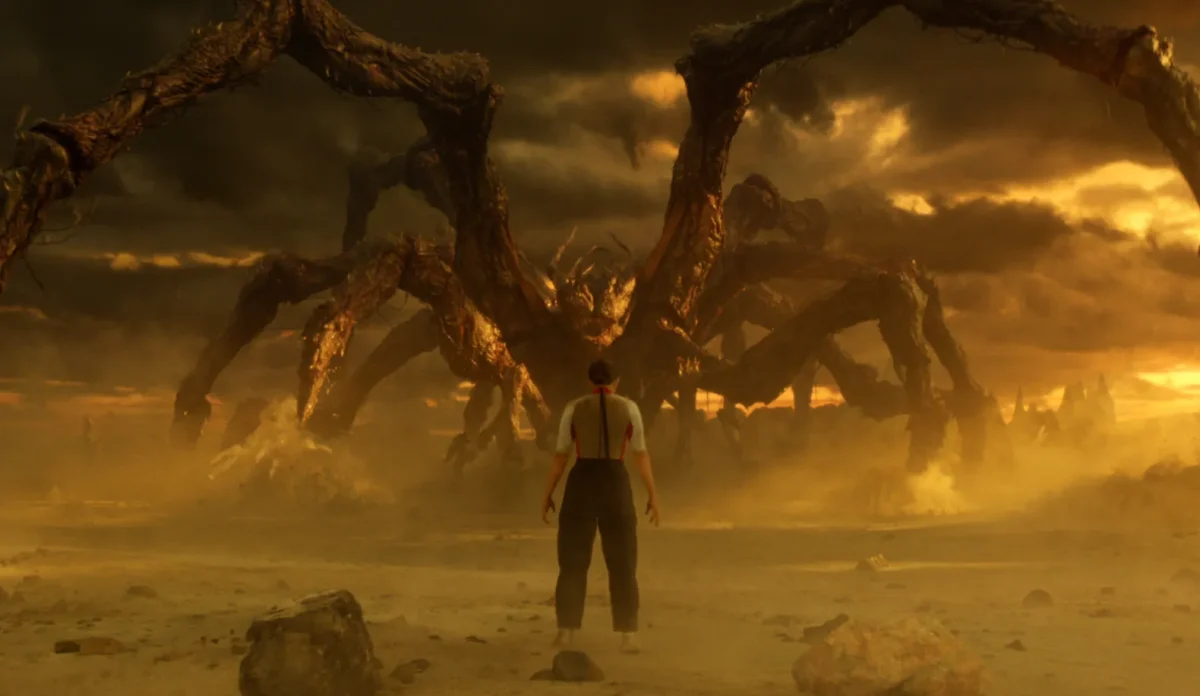
Even the art and visuals of “Stranger Things” have been processed into a brighter, uglier, uninspired version of itself. There has been a lot of vocal criticism about the show has looked since Season 3. In the final few Seasons, the Duffers cranked up the saturation on everything and traded out the small town, authentic 80s aesthetic for what could be mistaken for a parody on 80s style.
Past the intentional cosmetics that the series would later choose is a heap of bad CGI and even worse green screen usage. Season 5 in particular features some truly egregious practical effects, with the whole final battle taking place in a barren, brown, digital hellscape. There were no attempts at interesting lighting, no creative camera work and no artistic vision to be found. Absolutely no aspect of this scene’s visuals evoked emotion that you would expect of an all encompassing climax.
The look and feel of earlier Seasons was immersive and realistic. It was familiar through its homage to iconic Spielberg and Carpenter films that generations have grown up loving. The bleak, middle-of-no-where Indiana backdrop was perfect because it could flip from scary to heartwarming seamlessly, all while highlighting the type of people who don’t usually get the spotlight. Not even a budget as monumental as what “Stranger Things” has can replace artistic vision. It seems that Netflix has proved to their audience once again that money really can’t buy taste.
What Went Wrong: Greed without Guts
Over the nearly ten years that “Stranger Things” was aired, it’s obvious that corporate greed turned a once beloved show into a husk of its former self. After all, “Stranger Things” was supposed to end after Season 1 as an anthology series – but of course Netflix could not resist milking the show completely dry.
When presented with the series as a whole, Season 3 seems to be when the Duffers stopped caring about the integrity of the show. Season 3 introduced unavoidable product placements in addition to the new gaudy art direction. All these flaws have been snowballing into a bigger, messier and more expensive product ever since. Despite this, both audiences and critics have been eating it all up. Why would the Duffers work hard to keep their show great when they know audiences will support mediocrity?
Because diehard fans and their unwavering devotion to the characters of “Stranger Things” are the only thing that kept the show alive, it’s clear that the producers were terrified of a disappointing ending. Instead of taking a big risk as an initiative to fully flesh out the story with complete character arcs and narrative beats, which serve the themes of the show, the Duffers decided to make the ending amount to nothing at all.
Multiple love triangles are brought back to life for no reason and then weakly shot down in favor of ambiguity, leaving shippers to simply use their imagination. Karen Wheeler and Steve Harrington have brief fake-out deaths that leave zero impact given the abundance of fake-out deaths fans have had to witness through over the years. There’s a lengthy coming out scene where the writers didn’t even feel confident enough to have the word “gay” uttered, nor is an actual sexuality of any sort explicitly stated.
All these weak-willed decisions of course lead to the ultimate betrayal. The show’s most iconic character, Eleven, sacrifices herself during the climax of the story – or did she? Audiences will never know her fate because the writers were too scared to actually take a firm stance. When watching this nothingness of a Season limp to the finish line it’s hard to not be disappointed.
“Stranger Things” has fallen so far from what it once was; a show about small town outsiders on the edge of society banding together to defeat evil against all odds. Sadly, Season 5 was never going to hold a light to Seasons 1 and 2. Now all audiences are left with is the memory of how special “Stranger Things” was before a mess of greed and glamour took center stage.