Today, college sports generate billions of dollars in revenue for conferences and universities alike. With so much money at stake, it was only a matter of time before players gained the right to share in the profits. On July 1, 2021, the National Collegiate Athletic Association (NCAA) ushered in a new era by allowing all student athletes to profit from their Name, Image and Likeness (NIL).
Since then, athletes have rushed to capitalize on this opportunity, and some former pros have returned to college to use their remaining eligibility. Even the 2026 College Football National Champion, Indiana Hoosiers, fielded an average player age of around 23 years old, drawing comparisons to some of the youngest NFL rosters. Collegiate athletics, once defined by amateurism, are shifting into an age of professionalism. As the line between amateur and professional continues to blur, the ripple effects are reshaping recruiting and influencing how high school athletes plan their futures.
In an article for Sports Illustrated, Tommy Reamon Jr. explains that when misses are stacked against a coach, they won’t just lose games — they may lose their jobs. This mindset has left promising high school prospects sidelined in favor of the safety net transfer players provide.
“Instead of projecting a 17 or 18-year-old high school kid’s potential — his frame, his work ethic, his heart — they look for players who are ready now. Proven bodies who have already been tested,” writes Reamon Jr. “Why gamble on a high-school kid when you can plug a gap with a proven college player?”
Today, rosters are made up of roughly 40% transfer portal recruits, who are older, more conditioned and seasoned for Division I play, while only 20% of starting spots are filled by freshmen straight out of high school.
At the local level Southwest alum Braden Frager has defied these odds despite being one of the youngest players on the roster and is serving as a vital key for the Nebraska Men’s Basketball team while at the moment he averages 12 points and 3.8 rebounds per game
Much of this has been made possible by his choices towards development.”I just feel like my overall every aspect of my game, I feel like I’ve just become a much better player, physical, and I really think I took a big step in my shooting this year,” Frager explained.
Frager entered the program as a 17 year old Redshirt Freshman in the process skipping his Senior year of High school. Through his journey he has come to mature both mentally and physically. This development towards a team’s future over self interest now is a dying breed amongst athletes as they lean toward a me over we mindset, that kind of patience and commitment has become increasingly rare.
For teams wishing to compete at the top, adaptation has been necessary. Historically successful programs, like Duke, attract much younger talent due to their extensive history and resources. Less successful schools, such as Auburn, have instead aimed to recruit older talent. During Auburn’s 2025 Final Four run, their roster’s average age reached 23.5 years old.
Older players are not at fault; they are taking advantage of a system that has evolved rapidly. In these circumstances, NCAA restrictions on eligibility and athlete age operate more like guidelines than strict rules.
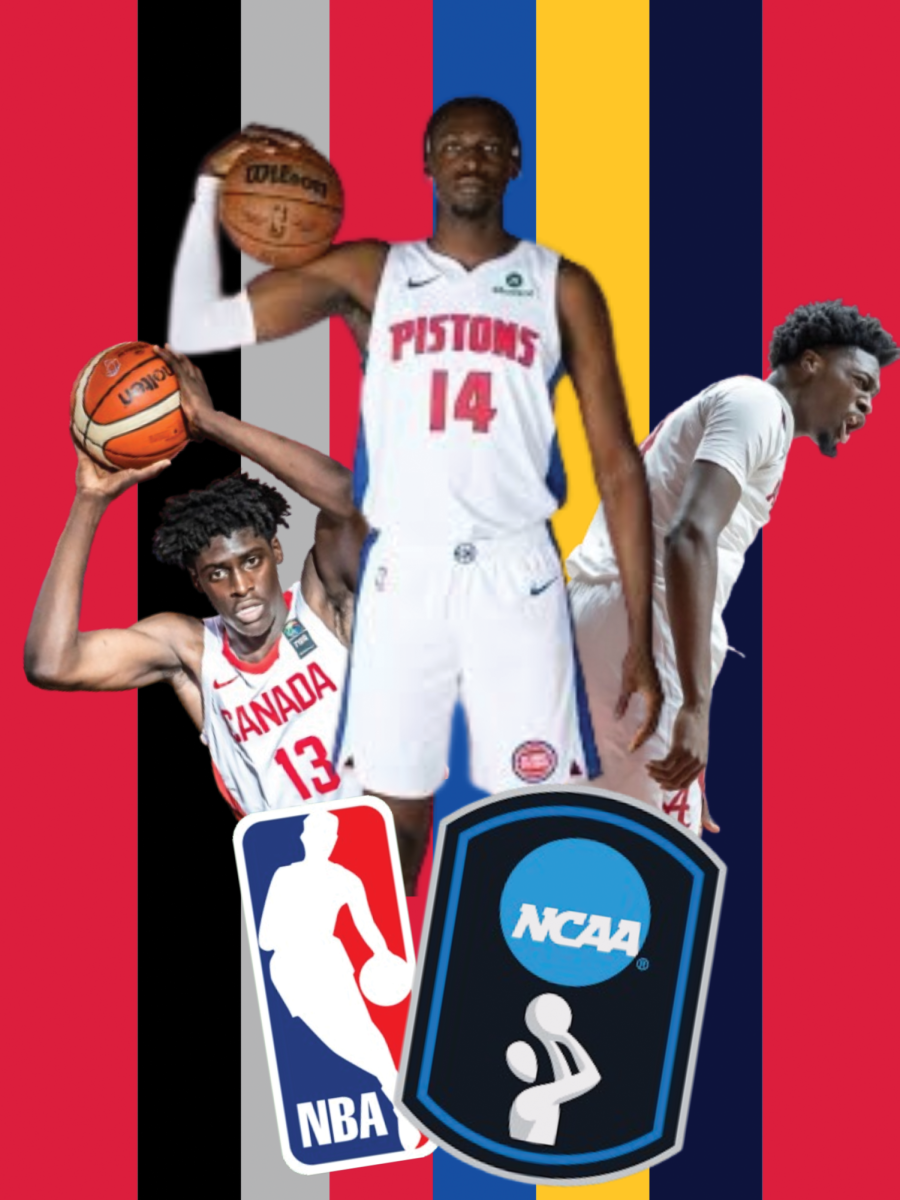
A recent example is former Alabama basketball player, Charles Bediako, who returned to the program despite having fulfilled his eligibility and even playing in the NBA Summer League. His return was made possible through a restraining order against the NCAA. Over his five game return he averaged 10 points and 4.6 rebounds.
In response, the NCAA said: “Mr. Bediako signed three NBA contracts after competing in college for two seasons. The NCAA has not and will not grant eligibility to any prospective or returning student-athletes who have signed an NBA contract. Eligibility rules ensure high school students get a shot at earning scholarships, and we will continue to consistently apply and defend these rules.”
After his brief return it came to end as Alabama circuit court Judge Danil Pruet ruled that Bediako “failed to demonstrate that he is entitled to the injunctive relief that he seeks.” After the ruling NCAA President Charlie Baker said “Common sense won a round today. The court saw this for what it is: an attempt by professionals to pivot back to college and crowd out the next generation of students. College sports are for students, not for people who already walked away to go pro and now want to hit the ‘undo’ button at the expense of a teenager’s dream. While we’re glad the court upheld the rules our members actually want, one win doesn’t fix the national mess of state laws. It’s time for Congress to stop watching from the sidelines and help us provide some actual stability.”
So what exactly defines the end of a player’s eligibility? Athletes are generally granted five calendar years to fulfill four seasons of competition. Redshirt years, medical waivers and most recently, COVID-19 exceptions ,have all extended eligibility, allowing players additional time to compete. Officially, the NCAA has discussed expanding eligibility from four to five years to reduce these loopholes, though no formal change has yet been implemented.
The financial opportunities offered by NIL deals further encourage players to return to college. High-profile athletes can earn multi million-dollar contracts, such as Michigan quarterback Bryce Underwood, who reportedly received $10.5 million in NIL deals. For many, remaining a collegiate star is more lucrative than pursuing a fringe professional career.
Wealthier programs hold a major advantage in this new system. The Michigan men’s basketball team, currently ranked second in the AP Poll, is estimated to have around $16 million in NIL funding. With this level of financial support, teams are able to “buy success” rather than focusing solely on development. As a result, rosters increasingly resemble professional squads, and NIL is arguably diminishing the unique appeal of traditional roster building in college athletics.
As college sports continue to professionalize, the line between amateurism and professionalism blurs. The question moving forward will be not only how these systems have changed, but whether the NCAA can regain control before the elements that make college sports beloved are lost.