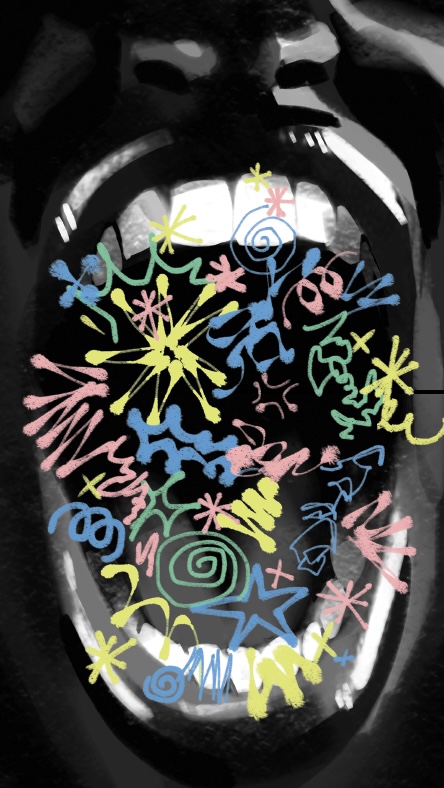
When you picture yourself sitting down to craft, planning your next outfit or even your next vacation spot, how much of it was taken from a social media source as ‘inspiration’, or even blatantly copied? The truth is, many of us may find it easier to look online for references or inspiration, rather than taking the time and creativity to produce what we are searching for ourselves. Don’t get me wrong, I often find myself guilty of using social media for more than inspiration every now and then, especially when I’m feeling unimaginative. Despite this, I believe the heavier we rely on social media apps, the more we begin to lack our own creativity and originality.
While the root of the issue may be a combination of many things, social media apps have made it increasingly easier to find the trendiest and most relevant content for you. According to the creators of MNTN, a software company that allows apps to launch commercials and software, apps such as Pinterest or TikTok were programmed with algorithms designed to curate a feed unique to each user based on what posts or content they interact with most. Not only this, but the more users interact with certain posts, the more it will show up on their feed. While I tend to enjoy the personalized feeling the Pinterest and TikTok algorithms give my feed, it can feel repetitive and restricted at times.
With algorithms programmed to narrow what we see, they often create an echo chamber of what content is favored by each user. This hinders originality because it reduces the potential influences we can receive based on the content we are viewing. Personally, I find it exhausting when I scroll on TikTok or Pinterest and the same videos and images repeatedly show up. This goes to show social media can be an endless pool of trending content that resurfaces and is recreated over time.
In similar instances, have you ever had a conversation with your friends and a meme is brought up that only they understand because you haven’t seen it on your feed. Then, weeks later that same meme pops up? Well, that just means your feed filtered it out, limiting what you see.
While I don’t believe social media is always inherently bad, I do believe that the more we see the same topics or ideas on social media, the more they begin to be reflected onto us. I can think of numerous times where my outfit choice or the food I packed for lunch was swayed by what I saw on social media that day. So, while it may seem as though I made those choices on my own, my authenticity was false.
Without the authenticity and uniqueness that comes from originality, social media users can lose a sense of personal identity. Your personal identity is rooted in who you are as a person. If you are only cloned pieces of others, you are not yourself. Taking trends, aesthetics and posts from social media rather than creating your own creates a vacuum of conformity where most original ideas are replaced by what’s already popular. This is where our creativity is hindered most.
By definition, creativity is the use of the imagination or original ideas, especially in the production of an artistic work. Though social media is an endless pool of content and ideas, when the algorithms are put to work, trends become the repeated duplicates of a once original idea that we see non-stop. Although social media may portray an often quick ‘copycat’ form of creativity, it discourages the genuine, unhurried, intricate process of real creativity and art.
Personally, I find more fulfillment in life when I am able to express myself in the most authentic, uninterrupted ways, and I believe many other users feel the same way. In order for social media users to dive back into their creativity, they can try new hobbies, limit screen time and make an effort to forget the pressures of false online perfection.
Despite this, I’m not suggesting the complete abandonment of social media’s influence on our lives, although I imagine creativity can be restored if uniqueness and original ideas are valued more than viral content. In doing so, the surge of copycat trends on social media can be reduced when users give up the performative face we all try so desperately to wear.