
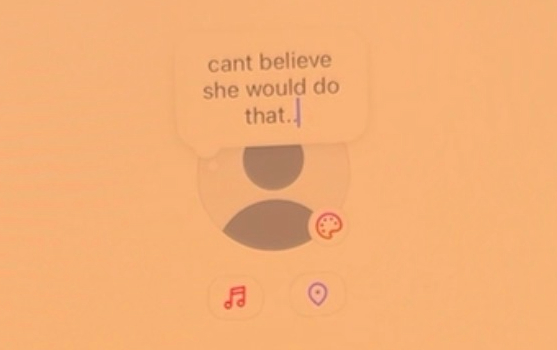
Long before the constant buzz of notifications, and before TikTok reposts, Instagram notes and private stories, disagreements didn’t happen online. Instead, they happened face-to-face. Teens argued, talked things out or even just avoided each other, but the message was still clear and direct through their actions and intentions. There were no such things as vague captions with hidden meanings, neither were there guessing games about what something was about. Today that clarity has been replaced with something more subtle and more complicated: posting messages that leave people to interpret feelings rather than hear them out.
For example, imagine getting into an argument with a close friend and never actually talking about it. A couple hours later, instead of face-to-face confrontation, you see them repost a TikTok about people “switching up”, and make an Instagram note with specific song lyrics relating to “fake friends”. No names are mentioned, but the message feels targeted. Even other people start to notice and speculate their own opinions on what’s going on. This is what casual communication can look like for many teenagers today, being indirect and open to misinterpretations for anyone to see online.
In recent years, indirect communication through social media has become increasingly common among teens. Specifically, features like TikTok reposts (where users can share videos directly to their profile), and Instagram notes (which allow you to share small comment updates or music snippets on your profile), have created new ways to express emotions without directly addressing someone. While these features can be a harmless way to express quick thoughts in some situations, they can also lead to avoiding direct conversations, even when they may be needed.
Indirect communication over social media can be defined as expressing thoughts or feelings through hints, vague posts or third-party content rather than direct messages to others. In contrast, face-to-face communication allows for tone and body language to shine through, making it easier to understand someone’s intentions since they’re right in front of you. Both of these communication forms have their place for varying situations, but the rise of indirect posting has started to shift from simple expressions of thoughts to miscommunication and drama online.
I’ve seen this reliance on indirect communication more and more recently, especially when I started looking deeper and observing what people were reposting or creating comments on. Some people will repost things hoping that others will stumble across them and piece together a message that they are trying to convey. I’ve even had people tell me personally to repost more often because they liked seeing “what I’m thinking”, almost like reposts have become a mirror into someone’s self identity and personality.
I’ll admit that I’m not separate from this trend of indirect communication. I’ve definitely reposted certain TikToks with a certain person in mind, hoping that they might see it and understand my message without having to actually tell them. I’ve also made many Instagram notes, whether it’s posting a song with lyrics that are relatable at the moment, or an inside comment that I know only a couple people will see and understand what I mean by it. This type of communication is easy and it avoids certain aspects of communication that can be awkward or difficult in person. However, this does not mean it’s a more effective way to get messages across.
To LSE psychology teacher Troy Bergt this behavior of indirectly communicating makes sense, but it also comes with consequences.
“People feel a little bit less inhibited on social media, so they’re more likely to say or do things that they normally wouldn’t do in person,” Bergt said.
Without the tone of voice or facial expressions that face-to-face communication provides, messages can easily be misinterpreted online.
“You can read a message one way, [while] somebody else reads a message in another way,” Bergt said.
Three LSE students, who wished to remain anonymous for this story, said they see this kind of behavior constantly. Student A described seeing targeted reposts “all the time,” especially within relationships, where posts can shift from positive to negative (based on relationship status at the moment).
Student B said it happens “almost every day”, often leading people to talk and speculate about who the post may be about. In many cases, the message never becomes a real conversation, and instead remains an ongoing online tension until the next piece of drama comes in.
This tension can have real emotional effects as well.
“You think you know someone so much until they start posting about you,” Student B said, describing how indirect posts made them question their relationship with someone. Student C said these situations online can lead people to “overthink and question everything” due to miscommunications, unlike most actual conversations.
Even when messages are not clearly directed, they often pull others in who are curious about the situation, or trying to sort the situation out. This simply creates unnecessary drama and involves people who were never part of the original situation in the first place.
At the same time, indirect communication isn’t entirely negative. It can sometimes help people express feelings they’re not ready to say out loud to others. For teens especially, it can feel safer to post something vague rather than risk confrontation. Some of these LSE students agreed, saying it’s an easier way to get emotions out or even subtly get someone’s attention.
But the problem arises when indirect communication replaces direct communication entirely, rather than being a pathway to clarity.
“Technology doesn’t allow the tone of voice to come through,” Bergt said. “[In direct conversations], you know and can see facial expressions, tone of voice, body reactions and probably get the emotional connection much easier.”
Without the physical aspects that direct communication brings, messages trying to be conveyed lose clarity and meaning.
As common as reposts and notes have become, they don’t solve problems. If anything, they can make situations more confusing, more public and more emotionally draining. A five-minute conversation could often clear up what weeks of indirect posting and trying to get someone’s attention can’t.
While social media has shaped the way we interact and develop communication with others online, it hasn’t changed the fact that clear and direct communication is needed in people’s day to day lives.
“We are a social species as humans,” Bergt said. “That’s how we survive as a species.”