An all black SUV slowly drives down a neighborhood parking lot late at night. Inside, there is a group of seniors ducking low in their seats, looking around the area for one person. One student quickly ducks behind a car after seeing weird movement. A water gun is hidden under a hoodie, phones are open checking locations , and everyone is trying not to get eliminated before graduation. For many seniors around Lincoln, this has become a normal part of daily life during Senior Assassin.
In the final weeks of senior year, life is supposed to slow down and get real pretty fast. Graduation is only weeks away, and students begin looking ahead to what comes next. But for many seniors around Lincoln, a different kind of pressure comes to their lives . Normal activities like getting food, getting gas or even just walking out of practice suddenly feel very stressful. Students constantly look over their shoulders, having friends look around for them wondering who might be watching them.
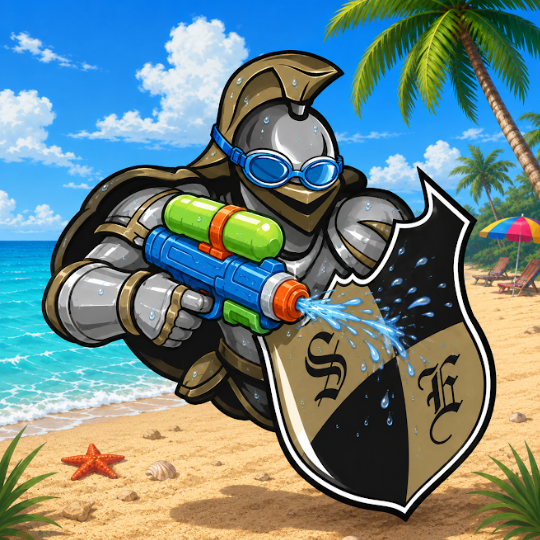
That pressure comes from a game very well known as Senior Assassin, often organized through apps like Splashin. The game has become a tradition at high schools across the country. Students pay an entry fee and are each assigned a target. Using water guns, players try to “eliminate” their assigned person by catching them off guard. Once someone is eliminated, the player who got them has a new mission, stay safe and don’t get caught. The game usually continues until only one player remains, usually winning a large cash prize.
Lots of schools, like Lincoln Southeast , have rules to make sure their games stay fair and safe. They usually set aside certain spots like school grounds, work areas, and activities as no go zones. Some games even have “immunity items,” think goggles or floaties, that can save you from getting tagged out. To keep things honest, players usually have to log their eliminations in the app.
Even with all that in place, things can still get crazy really fast . All this competition can turn everyday stuff into something super intense. Seniors especially say it makes those last few weeks of high school way more thrilling and something they’ll remember. You hear tons of stories about near misses and unexpected eliminations going around, shared between friends and popping up on social media.
One LSE senior explained, “It makes everything more exciting. Even just going to get food feels like a mission.”
Ben Fikar, a student helping run the game said, “You can’t trust anyone. You’re always thinking about who might be watching you.”
The hype around this game is probably why it’s still such a popular thing. For a lot of students, “Senior Assassin” isn’t just about winning, its a fun memory from their last year of high school. And The winners at LSE this year are playing for over $3,000.
But yeah, it’s not all fun and games. people and even the cops are a bit worried about it. The main “controversy” is that water guns can apparently look a lot like real guns, especially if players are dressed in dark clothes or wearing masks while trying to ambush someone out in public. If someone doesn’t know what’s going on, it could scare them.
LPD has been telling families about the potential downsides of “Senior Assassin.” After a few incidents where water guns looked a little too real, the police clarified that the game can easily bring out fear and confusion in public. Erika Thomas, the department’s Public Information Manager, mentioned that some of these water guns can look extremely similar to actual firearms, which can “create unnecessary alarm in the community” and “possibly lead to a more dangerous situation.”
Incidents tied to “Senior Assassin” have already came up in years past . According to 1011 News, there was a situation at a gym in Omaha where people lifting thought a student was carrying a real gun, leading to a big police response. Another time, some teens were dressed in all black and running through a neighborhood, causing neighbors to call the cops because it looked super suspicious. These cases show how quickly things can get out of hand when people who aren’t in on the game don’t know what’s happening.
The competitive aspect of “Senior Assassin” can also push people to take more risks. Across the country, there have been reports and i’ve seen out personally of players tailing targets in cars, lurking near their homes, or trying to get them in crowded public areas. While the students playing see it as harmless fun, a good amount of the public argue that these actions can create unnecessary danger.
Some people are also a bit uneasy about the game’s overall name. The word “assassin,” mixed looking water guns and surprise attacks, can feel a bit off of some people, especially when school safety and violence are already big topics in the country.
Besides these concerns, the game is still going strong. Many students argue that if played responsibly, “Senior Assassin” can be both safe and enjoyable.
LSE senior Carter Smith said, “When it is played right, it can be 100% safe and fun.”
Students involved in the game have tried to tackle safety concerns by making rules very clear, limiting when the game can be played, and encouraging people to use brightly colored water guns. Students believe that communication and common sense can cut down on many of the risks.
Still, the big question is… where do we draw the line?
Banning it completely might make it harder to keep an eye on, while letting it run without any rules could increase the chances of misunderstandings or unsafe actions.
As graduation gets closer, the game will keep going. More students will be out, someone will eventually win, and tons of stories will be shared long after senior year is over. But beyond the excitement and prize money, “Senior Assassin” brings up a bigger question about responsibility.
How should students balance having fun and making memories with the responsibility that comes with playing a public game in a real community?
There might not be a perfect answer, but as the tradition keeps growing, it’s a question worth thinking about, not just for the students playing, but for everyone who’s affected by it.
As graduation gets closer, the game will keep going. More students will be out, someone will eventually win, and tons of stories will be shared long after senior year is over. But beyond the excitement and prize money, “Senior Assassin” brings up a bigger question about students and the responsibility that they hold.
How can students balance having fun and making cool memories with the responsibility that comes with playing a public game in a real community, where something can go wrong any second?
There might not be a perfect answer, but as the game keeps growing, it’s a real question, not just for the students playing, but for everyone who’s affected by it.